

In a world filled with processed and packaged foods, it's becoming increasingly difficult to distinguish what is real from what is fake. From Fake Food and colors to synthetic preservatives and fillers, the food industry has perfected the art of creating imitation products that look and taste like the real thing.
But how can you tell if the food you're eating is genuinely nutritious and wholesome, or if it's just a cleverly disguised impostor? Here are a few things to consider before you buy:
Read the ingredients list. One of the easiest ways to spot fake food is to look at the ingredients list on the packaging. If you see a long list of unpronounceable chemicals and additives, chances are the product is highly processed and loaded with artificial ingredients. Genuine foods typically have short, simple ingredients lists that are easy to understand.
Check for nutritional value. Real food is typically rich in essential nutrients like vitamins, minerals, and antioxidants. Fake food, on the other hand, often lacks these important nutrients and is instead filled with empty calories and unhealthy fats. Before you buy, take a look at the nutrition labels to ensure you're getting the most bang for your buck.
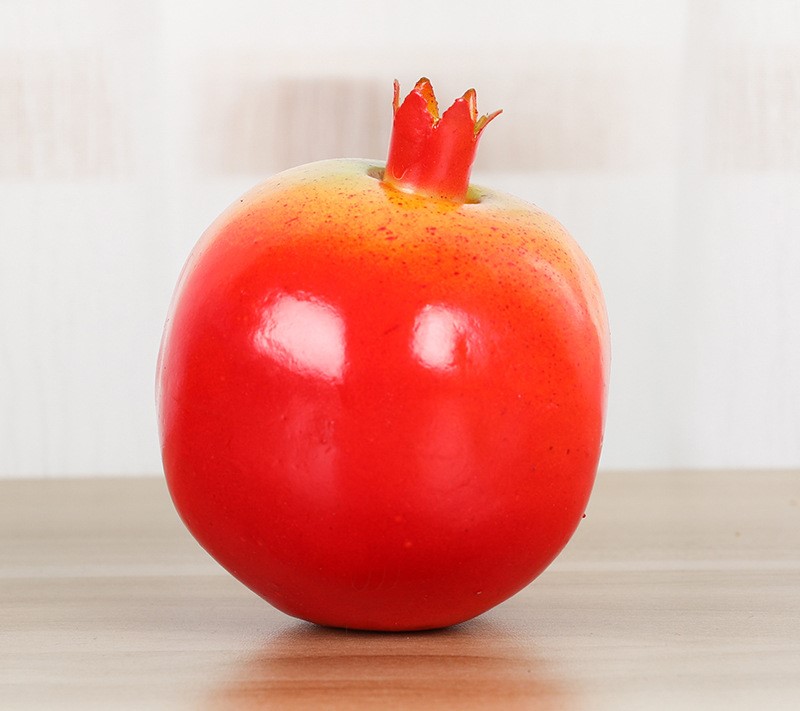
Consider the source. Where does your food come from? Is it locally sourced and made with fresh, whole ingredients, or is it mass-produced in a factory and shipped across the country? By opting for foods that are grown and prepared close to home, you can significantly reduce your intake of fake food and support local farmers in the process.
Be aware of marketing tactics. Food companies are experts at persuading consumers to buy their products through clever marketing strategies. Be wary of claims like "all-natural," "organic," and "sugar-free," as these terms can be misleading and may not always indicate a truly healthy product. Always do your research and read the fine print before making a purchase.
In conclusion, fake food is everywhere, but with a little knowledge and awareness, you can avoid falling victim to its deceptive charms. By reading labels, checking for nutritional value, considering the source, and staying informed about marketing tactics, you can make smarter choices when it comes to your diet. Remember, the best way to avoid fake food is to stick to real, whole ingredients that nourish your body and support your overall health and well-being.